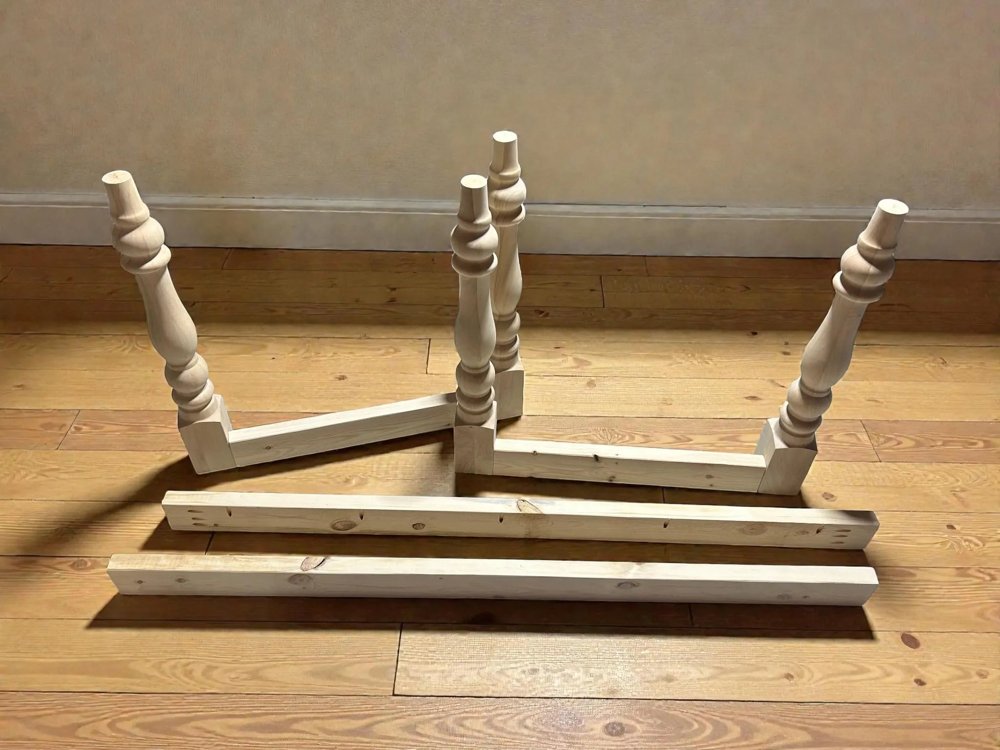
1. You are solving a real problem
Perhaps the current table is too large, the base clashes with the room, or a good top needs support. A clear problem gives your project direction. You can judge decisions by how well they improve your own space.
2. You get to make the visible choices
The color, tabletop, and overall mood can reflect your taste. Gather a few references, then narrow them down to a finish and shape that work with the room you actually have.
3. You can divide the work into stages
Planning, gathering materials, assembly, finishing, and setting up the room are separate tasks. Giving each stage its own time makes the project easier to organize around work and family commitments.
4. The result has a story attached
You will remember choosing the top, testing the color, and making the decisions that brought it together. Those details can make a useful piece feel personal long after the tools are put away.
5. You get to enjoy the result repeatedly
The payoff is not limited to a reveal photo. It is setting out plates, pulling up a chair, and seeing something you helped create become part of your home.
A base kit offers a starting point for the furniture-assembly portion of the project. Review the product details and your own experience before deciding whether this DIY route fits you.
Plan your version
Review current kit options, dimensions, and included components on Etsy. This is an unfinished base for self-assembly; the tabletop and finish are separate. Assembly instructions are not included.
Shop the turned-leg DIY base on Etsy ↗Written by Curbside Treasures. This guide features our own product.